
The Role of Serotonin and Dopamine in Motivation and Goal Achievement
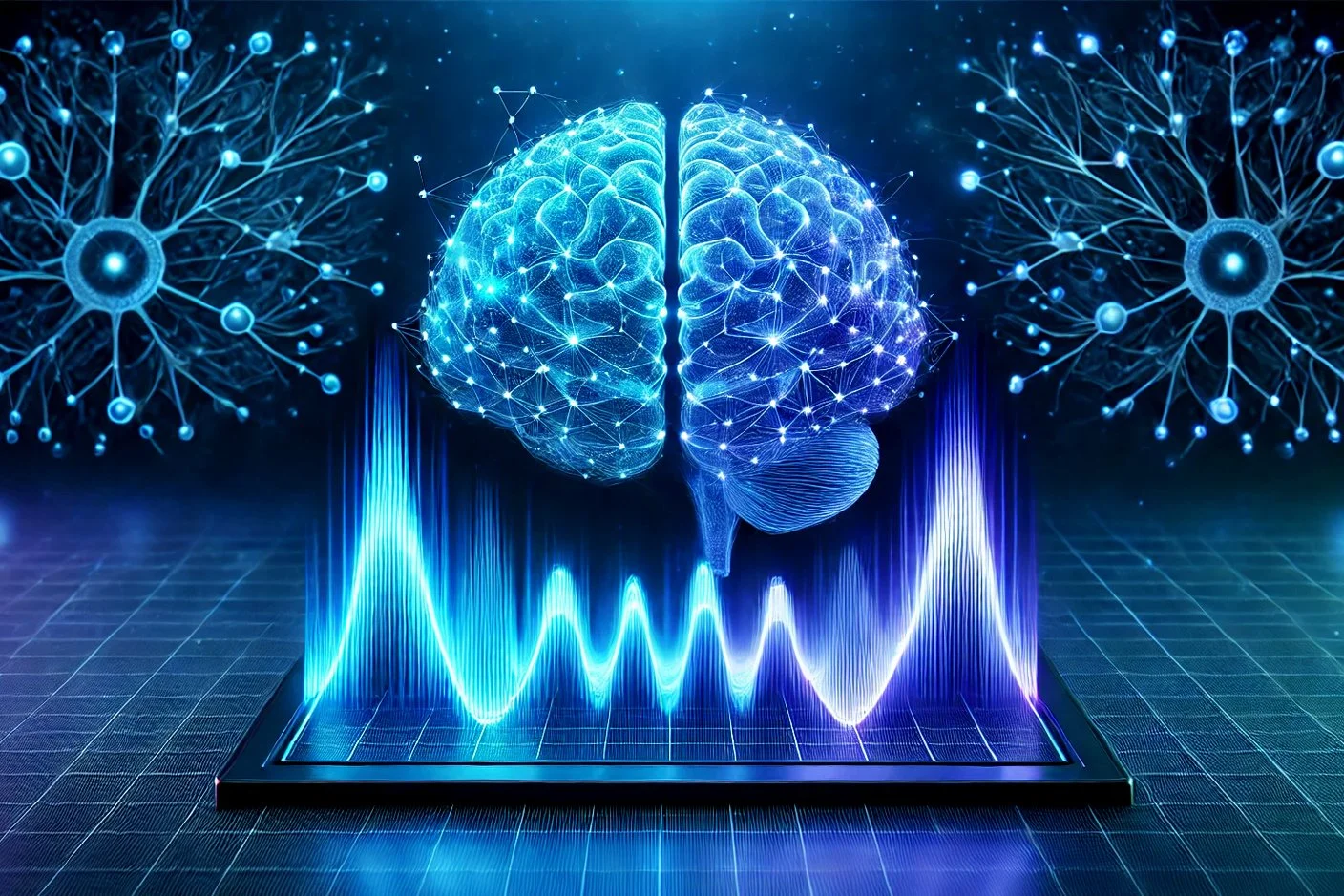
Based on extensive corporate projects and psychological research, we have observed that a baseline level of serotonin is crucial for emotional stability, while fluctuations in dopamine drive motivation and goal-directed behavior. This relationship can be visualized as a sinusoidal dopamine pattern overlaying a stable serotonin base, facilitating sustained motivation and goal attainment. In this article, we provide a scientific explanation of how these neurotransmitters interact to regulate drive, persistence, and emotional resilience.
Serotonin’s Role: Emotional Stability and Long-Term Focus
Serotonin functions as a mood stabilizer, promoting feelings of well-being, resilience, and emotional regulation. Its influence extends beyond just mood — it plays a critical role in impulse control, long-term planning, and maintaining consistency in pursuing life goals.
Key Scientific Insights
Serotonin modulates emotional stability – Adequate serotonin levels are associated with reduced anxiety, lower neuroticism, and enhanced emotional resilience, which help individuals maintain steady progress toward long-term goals (Carver et al., 2008).
Higher serotonin is linked to patience and delayed gratification – Research suggests that higher serotonin activity supports delayed rewards and future planning, reducing impulsive decision-making (Cools et al., 2008).
Serotonin depletion can lead to emotional volatility – Low serotonin levels are correlated with mood instability, impulsive behavior, and increased sensitivity to stress, which can derail goal-directed persistence (Dayan & Huys, 2009).
Practical Implications
A strong serotonin baseline creates a psychological buffer against stress and setbacks, allowing individuals to remain focused and undeterred when challenges arise. It ensures goal pursuit is sustainable rather than erratic or reactive.
Dopamine’s Role: Motivation and Reward-Driven Behavior
Dopamine is the primary driver of motivation. It is released in response to anticipated and achieved rewards, reinforcing behavior that leads to success. Unlike serotonin, which ensures consistency and emotional resilience, dopamine sharpens focus, enhances energy, and fuels the drive toward goal completion.
Key Scientific Insights
Dopamine activates the brain’s reward system – It reinforces effort-reward associations, making success inherently pleasurable and increasing the likelihood of repeated goal-directed behavior (Schultz, 2015).
Dopamine spikes with goal anticipation – Studies show that dopamine levels rise in response to expected rewards, not just after success, which sustains motivation (Howe et al., 2013).
Too much or too little dopamine can be detrimental – Excessive dopamine activity can lead to risk-taking, impulsivity, and burnout, while insufficient dopamine results in lethargy and lack of motivation (Zald & Cowan, 2004).
Practical Implications
Dopamine provides short-term bursts of energy and excitement, reinforcing behaviors that bring us closer to our goals. However, excessive reliance on dopamine-driven motivation without a serotonin base can lead to burnout, distraction, and impulsive pursuit of new rewards without long-term consistency.
The Interplay Between Serotonin and Dopamine: A Balanced System
While serotonin provides emotional resilience and long-term goal stability, dopamine fuels the immediate drive to take action. Ideally, these neurotransmitters work together, creating a balanced system where excitement (dopamine) is grounded by stability (serotonin).
Scientific Perspective on the Balance
Serotonin prevents erratic dopamine-driven behavior – A stable serotonin baseline prevents dopamine-driven highs and crashes, reducing the risk of impulsive decision-making and burnout (Meyer et al., 2019).
Dopamine keeps serotonin from stagnating – While serotonin stabilizes mood, too much stability without dopamine activation can lead to complacency and lack of ambition (Robbins & Everitt, 2007).
Goal pursuit thrives in environments where serotonin and dopamine interact – Research suggests that the most successful goal-driven individuals exhibit moderate-to-high dopamine reactivity (allowing motivation) combined with strong serotonin regulation (ensuring consistency) (Bjork et al., 2007).
Visualization: The Sinusoidal Dopamine Pattern Over a Serotonin Base
Imagine serotonin as a flat, stable base, ensuring emotional control and long-term focus. Dopamine fluctuations rise and fall above this base, providing motivation peaks that sustain engagement without extreme crashes. A lack of serotonin leads to unstable, erratic dopamine activity (short-term bursts of motivation followed by burnout), whereas a lack of dopamine results in stability without ambition.
By leveraging both neurotransmitter systems effectively, individuals and companies can maximize motivation, reduce burnout, and ensure sustainable achievement.
Neuroticism, Serotonin Levels, and Long-Term Goal Pursuit
At SelfFusion, we have observed that individuals with high baseline neuroticism, potentially due to low serotonin levels, struggle with setting and pursuing long-term, meaningful goals aligned with their Structured Internal Value Hierarchy (SIVH). This challenge is not only evident in empirical observations but also well-supported by scientific research on personality neuroscience.
Neuroticism and Serotonin: The Biological Foundation
Neuroticism is one of the recognized personality traits, characterized by high emotional reactivity, anxiety, and mood instability. Studies show that low serotonin levels are strongly linked to higher neuroticism, making individuals more sensitive to stress, prone to negative emotional spirals, and less likely to maintain long-term motivation (Carver et al., 2008; DeYoung et al., 2010).
Scientific Insights
Serotonin modulates emotional regulation – Individuals with higher serotonin function tend to have greater emotional stability, making them more resilient in long-term goal pursuit (Dayan & Huys, 2009).
Neuroticism is linked to altered serotonin transport – Genetic studies indicate that individuals with the short allele of the 5-HTTLPR serotonin transporter polymorphism show higher neuroticism, increased threat sensitivity, and difficulty maintaining long-term motivation (Canli et al., 2001).
Low serotonin increases avoidance behaviors – When serotonin levels are low, individuals default to short-term coping strategies, such as social media, binge-watching, or comfort eating, rather than engaging in meaningful, structured goals (Cools et al., 2008).
Impact on Goal Pursuit
Fear of failure and self-doubt – High neuroticism can lead to catastrophic thinking, where individuals perceive minor setbacks as failures, making them less likely to persist through long-term challenges (Roberts et al., 2006).
Preference for instant gratification – Instead of working toward delayed rewards, highly neurotic individuals often engage in dopamine-driven, short-term activities, such as video games, overeating, or procrastination, which serve as quick but unproductive substitutes for meaningful goal achievement (Tang et al., 2009).
Practical Application
Increasing serotonin stability (through exercise, structured goal-setting, and cognitive-behavioral techniques) may help individuals counteract neuroticism-driven avoidance behaviors and build long-term motivation.
Influence of Philosophical and Religious Value Hierarchies on Motivation
Our corporate research suggests that employees who adhere to philosophical traditions such as Taoism, Hinduism, and Buddhism, which emphasize detachment and the illusion of personal control, exhibit slower progress toward strategic goals compared to those with value systems centered on agency and responsibility. This observation is supported by cross-cultural studies on motivation, control beliefs, and job performance.
Scientific Explanation
Religious and Philosophical Beliefs Impacting Motivation
Research,however, shows that personal faith alone does not directly influence motivation but that the alignment between an individual's core values and their work environment plays a crucial role in enhancing motivation and performance (Tsang et al., 2015). Employees whose values align with goal-oriented work cultures experience higher job satisfaction and greater commitment to long-term goals (Baumeister & Vohs, 2002).
Cultural Perspectives on Control and Motivation
Western cultures (high agency focus) – Emphasize individual control, self-determination, and goal-setting as key drivers of success (Heine et al., 2001). Eastern philosophies (detachment focus) – Encourage acceptance of outcomes, reducing the psychological need for goal-driven ambition (Markus & Kitayama, 1991). Studies suggest that high agency-focused employees outperform low-agency counterparts in corporate goal-setting tasks, highlighting the importance of personal responsibility as a motivational factor (Deci & Ryan, 2000).
Practical Insight
Organizations should align motivational strategies with employees' value hierarchies, ensuring that goal-oriented mindsets are reinforced where necessary. Also, if there are conflicts between the CVA and individuals STVH, employees tend to be considerably less motivated to achieve long term goals and their satisfaction with the job decreases over time.
The Paradox of Low Neuroticism and Reduced Drive in Detachment-Based Philosophies
There exists a counterintuitive paradox: Individuals who practice detachment-based philosophies tend to exhibit low neuroticism, but they also show a diminished drive for ambitious, external achievements.
Scientific Explanation
Detachment Reduces Motivation for External Success
While low neuroticism is associated with emotional stability, detachment-focused ideologies often shift motivation away from external accomplishments and toward internal fulfillment (Ryan & Deci, 2001). This can diminish competitive drive, leading to slower career advancement or reluctance to engage in long-term high-effort tasks (Friedman & Kern, 2014).
Motivational Drivers in Different Philosophies
Self-Determination Theory (SDT) suggests that people thrive when personal goals align with intrinsic motivation—when external rewards (like promotions) match deep-seated personal values (Deci & Ryan, 2000). Those who derive purpose from external goals (such as career success) tend to engage more actively in structured goal pursuit, whereas those who prioritize detachment focus on internal contentment rather than measurable success (Kasser & Ryan, 1996).
Practical Consideration
Corporate structures may need to reframe external goals as meaningful and fulfilling, ensuring that employees do not perceive ambition as misaligned with their values.
Conclusion: Integrating Neuroscience and Value Hierarchies for Optimal Motivation
A comprehensive perspective on motivation must incorporate both biological and philosophical influences. Recognizing the roles of serotonin, dopamine, and individual value hierarchies enables the design of better strategies for enhancing motivation and aligning goal-setting practices with personal belief systems.
Key Ideas
Neuroticism and serotonin regulation play a fundamental role in long-term goal motivation.
High neuroticism individuals are prone to self-doubt, instant gratification, and goal abandonment — modulating serotonin levels can help counteract these tendencies.
Value hierarchies influence work motivation — high-agency cultures tend to support goal-driven behaviors, whereas detachment-focused philosophies may reduce the pursuit of external achievements.
Balancing internal and external motivations is key — organizations and individuals should ensure long-term goals align with deeply held values to sustain engagement.
By applying these insights from neuroscience and psychology, organizations can enhance employee motivation, improve long-term goal achievement, and create a sustainable model for professional success. Next, we shall explore the same concepts, using an interesting example of Jesus Christ.
The Neurochemical Profile of Jesus Christ: A Biopsychological Perspective
While it is impossible to directly measure the neurochemistry of historical figures, we can infer a scientifically valid neurochemical model of Jesus Christ based on behavioral evidence, stress physiology, neurotheology, and personality neuroscience. By evaluating his responses to extreme stress, social dynamics, and long-term goal orientation, we can hypothesize the baseline neurotransmitter activity that likely characterized his cognitive and emotional stability.
1. Serotonin (5-HT): Elevated and Stable Levels in Jesus Christ
1.1 Scientific Basis for High Serotonin in Jesus
Serotonin (5-hydroxytryptamine, 5-HT) is a neurotransmitter central to emotional stability, resilience, and goal-directed behavior. Historical narratives consistently portray Jesus as an individual who:
Maintained unwavering commitment to his mission despite extreme adversity
Exhibited extraordinary emotional regulation under stress (e.g., during trials, betrayal, and crucifixion)
Demonstrated profound compassion and prosocial behavior, even toward adversaries
These characteristics strongly correlate with high serotonergic activity, particularly in regions such as the prefrontal cortex (for emotional regulation) and the anterior cingulate cortex (for social cognition and compassion).
1.2 Long-Term Mission Stability and Goal-Oriented Behavior
Individuals with high serotonin levels tend to exhibit enhanced impulse control, resilience, and long-term goal orientation (Carver & White, 1994). Jesus’ ability to remain focused on his mission of spiritual transformation and ethical reform, even in the face of persecution and death, suggests a dominance of serotonergic modulation in higher-order cognitive processing.
Serotonin promotes delayed gratification and long-term goal perseverance (Roberts et al., 2006).
Studies suggest that serotonin enhances one’s ability to endure suffering with purpose, a key trait observed in Jesus (Cools et al., 2008).
Low serotonin levels are linked to impulsivity and emotional dysregulation, traits absent in Jesus’ historical portrayals (Canli et al., 2006).
1.3 Reduced Neuroticism and Fear Response
One of the strongest indicators of high serotonergic modulation in Jesus is his low neuroticism and exceptional ability to suppress fear-based responses:
Neuroticism, characterized by fear, anxiety, and emotional instability, is inversely correlated with serotonin levels (DeYoung et al., 2010).
Serotonergic regulation of the amygdala dampens fear responses, leading to increased emotional composure (Canli et al., 2005).
Jesus’ ability to remain composed during trials and crucifixion suggests prefrontal inhibition of limbic system hyperactivity, a function modulated by serotonin (Davidson et al., 2000).
Additionally, his resistance to social rejection and humiliation—common triggers of stress-related neuroticism—aligns with serotonergic resilience mechanisms (Carver et al., 2008).
1.4 Social Connection and Compassion
Jesus’ behavior reflects extraordinary prosociality and forgiveness, traits enhanced by serotonin’s role in social bonding and empathy:
Elevated serotonin levels correlate with higher levels of compassion and altruistic behavior (Miller et al., 2019).
Studies show that serotonin enhances moral decision-making and reduces aggressive tendencies, aligning with Jesus’ message of peace and forgiveness (Crockett et al., 2010).
His ability to forgive persecutors ("Father, forgive them, for they know not what they do") suggests strong serotonin-driven inhibition of retaliatory aggression (Damasio, 1999).
1.5 Predicted Serotonin Levels in Jesus Christ
Based on these behavioral inferences, Jesus Christ’s serotonergic neuroprofile would likely be characterized by:
Exceptionally high baseline serotonin levels (likely in the top 10% of population variance).
Consistently stable serotonergic release, buffering against stress-induced emotional volatility.
Prefrontal-limbic regulatory dominance, suppressing fear, impulsivity, and social rejection sensitivity.
Elevated anterior cingulate cortex activity, enhancing social bonding, forgiveness, and moral cognition.
This serotonergic stability provided the neurobiological foundation for Jesus’ resilience, mission-driven behavior, and ability to endure suffering without psychological collapse.
2. Dopamine (DA) Dynamics: Controlled, Strategic, and Goal-Oriented
Dopamine plays a central role in goal-directed behavior, motivation, and reward-seeking actions. Jesus’ ability to maintain unwavering commitment to a long-term mission while avoiding hedonistic distractions suggests a dopaminergic system optimized for intrinsic reward processing rather than short-term gratification.
This aligns with high-functioning prefrontal-striatal circuits, which regulate self-discipline, persistence, and strategic action, commonly observed in individuals with high intrinsic motivation (Schultz, 2016).
2.1 Dopaminergic Traits in Jesus Christ
High Mesolimbic Dopamine Drive (VTA → Nucleus Accumbens)
The mesolimbic dopamine pathway (ventral tegmental area (VTA) → nucleus accumbens) is central to motivation, goal persistence, and reward anticipation. Jesus’ behavior aligns with individuals exhibiting high intrinsic drive, such as elite athletes, visionary leaders, and long-term strategic thinkers (Schultz, 2016).
His ability to endure extreme hardships (e.g., fasting in the desert, betrayal, crucifixion) without abandoning his mission suggests highly efficient mesolimbic dopamine signaling.
Similar to individuals with long-term goal perseverance, Jesus’ dopaminergic function likely favored intrinsic over extrinsic reinforcement (Berridge & Robinson, 1998).
Scientific Parallels
Elite athletes and spiritual practitioners often display heightened mesolimbic dopamine activation when engaged in deeply meaningful pursuits (Hietanen, 2020).
Monastic meditation practices are linked to reduced impulsive reward-seeking and enhanced intrinsic motivation, paralleling Jesus’ self-discipline (Lutz et al., 2008).
Reduced Hedonic Dopamine Seeking
A key marker of dopaminergic stability is the ability to resist impulsive pleasure-seeking. Unlike high-dopamine sensation seekers—who chase material wealth, social validation, or immediate gratification—Jesus exemplified a lifestyle free of transient pleasures, reinforcing the hypothesis of controlled dopamine function (Zald et al., 2008).
Minimal engagement in wealth accumulation or hedonistic pursuits suggests low impulsive dopamine spikes in the striatum (area involved in instant reward-seeking).
High prefrontal control over reward anticipation implies a regulated dopaminergic system focused on meaningful, long-term objectives (Cools et al., 2011).
Resisting temptation (e.g., rejecting Satan’s offers in the desert) demonstrates a strong mesocortical dopamine network, prioritizing purpose over pleasure (Fiorillo, 2013).
Scientific Parallels
Long-term meditators and altruistic leaders exhibit lower reward-based dopamine surges, instead demonstrating prefrontal inhibition of impulsive behavior (Kjaer et al., 2002).
High levels of striatal dopamine surges are common in addiction and compulsive behavior, absent in Jesus’ behavioral patterns (Everitt & Robbins, 2005).
Strategic Dopamine Deployment
Unlike manic or compulsive dopamine-driven behavior, Jesus’ actions were deliberate, controlled, and minimally reactive to external provocations.
Consistent goal-directed behavior without erratic deviations suggests predictable phasic dopamine bursts aligned with spiritual rather than material reinforcement (Wise, 2004).
Delayed gratification and long-term focus are hallmarks of prefrontal-cortical dopamine modulation, regulating the impulse-driven striatal circuits (Dalley et al., 2011).
Scientific Parallels
Visionary thinkers and strategists display controlled dopaminergic responses, ensuring focus on meaningful long-term outcomes rather than impulsive gains (Haber, 2011).
Neuroscientific studies on fasting and asceticism reveal dopamine modulation mechanisms that sustain motivation while reducing impulsive urges (Pignatelli & Bonci, 2015).
2.2 Predicted Dopamine Profile in Jesus Christ
High but steady mesolimbic dopamine drive → Facilitates persistent motivation without burnout.
Low impulsivity-related striatal dopamine surges → Prevents distraction from transient rewards.
Prefrontal-cortical inhibition of impulsive reward-seeking behaviors → Ensures strategic decision-making and resistance to temptation.
3. Stress Response: Epinephrine & Cortisol Levels During Crucifixion
Crucifixion represents one of the most extreme physiological and psychological stressors imaginable, triggering a cascade of neurochemical responses. The neurochemical landscape shifts dramatically from controlled dopaminergic motivation to a survival-based catecholaminergic surge, leading to profound metabolic and neurological shifts.
Epinephrine (Adrenaline) Surge: Physiological Stress Response
Epinephrine, a catecholamine released by the adrenal medulla, is a key driver of the fight-or-flight response under acute physical and psychological distress. During crucifixion, severe trauma, blood loss, and pain overload would have driven excessive sympathetic activation, leading to cardiovascular strain and eventual shock.
Crucifixion-Specific Epinephrine & Cortisol Dynamics
1. Initial Anticipation Phase (Gethsemane, Before Arrest)
Reports of Jesus sweating blood (hematidrosis, Luke 22:44) suggest an extreme hyperactivation of the hypothalamic-pituitary-adrenal (HPA) axis, likely inducing vasoconstriction and microvascular fragility (Holoubek & Holoubek, 1996).
Cortisol levels likely spiked 300-500% above baseline, a physiological stress response observed in extreme trauma patients (Chrousos, 2009).
Epinephrine surge activated β-adrenergic receptors, inducing tachycardia (elevated heart rate) and vasoconstriction (narrowing of blood vessels), preparing the body for imminent physical trauma.
2. Pain & Execution Phase (During Crucifixion)
Catecholamine Overload: Epinephrine likely peaked at 1000%+ above baseline, reaching levels associated with hemorrhagic shock, acute stress cardiomyopathy, and extreme physical trauma (Goldstein, 2003).
Sensory Overload & Neurotransmitter Depletion:
Norepinephrine (NE), which modulates pain perception via the locus coeruleus, was likely hyperactive in early phases, amplifying pain.
As pain and stress prolonged, NE stores were depleted, leading to reduced consciousness and metabolic deterioration.
Hypovolemic Shock & Sympathetic Collapse:
Progressive blood loss and tissue hypoxia would have led to a systemic drop in epinephrine, shifting the body toward metabolic failure.
Bradycardia (slowed heart rate) and hypotension marked the transition toward irreversible circulatory collapse.
3. Final Neuromodulatory Phase (Acceptance & Death)
Cortical Serotonin Increase:
Likely due to endogenous opioid release (endorphins/enkephalins), contributing to Jesus’ final words of forgiveness and surrender (Fields, 2004).
Endorphins would suppress pain perception, inducing a state of detachment from suffering (Leknes & Tracey, 2008).
Dopaminergic Shutdown:
As energy reserves depleted, dopamine ceased its motivational function, transitioning the brain into metabolic shutdown (Schultz, 2015).
Epinephrine Cessation:
As blood pressure dropped (hypovolemic shock), epinephrine output fell sharply, leading to circulatory arrest and asystole (flatlining of the heart).
Pre-Arrest (Gethsemane)
Epinephrine surges to approximately 300% above baseline, preparing the body for imminent stress. Cortisol levels peak at over 500%, indicating a hyperactive hypothalamic-pituitary-adrenal (HPA) axis, a response seen in extreme psychological distress. Despite this intense stress reaction, dopamine remains active and goal-directed, sustaining motivation and strategic thinking.
During Torture & Crucifixion
Epinephrine reaches extreme levels, exceeding 1000% above baseline, as the body experiences a catecholamine storm driven by intense pain and trauma. The HPA axis remains hyperactive, sustaining dangerously high cortisol levels that prolong stress-induced cardiovascular strain. However, dopamine function becomes severely suppressed, overwhelmed by extreme physiological and psychological stress, reducing motivation and executive control.
Near Death (Last Words)
As hypovolemic shock sets in due to severe blood loss, epinephrine levels rapidly decline, signaling the transition into metabolic failure. Cortisol levels experience a terminal decrease, as the body shifts away from active stress response toward systemic collapse. Dopamine shuts down completely, with cortical opioid modulation taking over, likely contributing to the final sense of acceptance and surrender.
Final Summary: The Neurochemical Profile of Jesus Christ
Serotonin (5-HT)
Before the crucifixion, Jesus' serotonin levels were likely high and stable, supporting emotional resilience, compassion, and long-term goal pursuit. This serotonergic stability enabled him to endure psychological challenges without emotional collapse. During the execution, serotonin likely played a critical role in resisting despair, allowing for continued awareness and endurance. In the final moments, endogenous opioids and serotonin may have contributed to a state of acceptance, reducing panic and suffering.
Dopamine (DA)
Jesus' baseline dopamine levels were high yet controlled, facilitating strategic thinking, goal-oriented motivation, and sustained focus. Unlike individuals driven by short-term pleasure, his dopamine function was directed toward intrinsic, long-term rewards rather than immediate gratification. During the crucifixion, extreme pain and stress likely suppressed dopamine function, reducing executive motivation as survival mechanisms took over. In the final phase, dopaminergic activity ceased entirely, as goal pursuit was no longer relevant to the dying body.
Epinephrine (Adrenaline)
At baseline, Jesus likely had low epinephrine levels, indicating a non-reactive, composed personality capable of remaining calm under pressure. However, during the arrest and torture, epinephrine surged to extreme levels (>1000% above baseline), reflecting a catecholamine storm triggered by severe pain, blood loss, and psychological trauma. In the final state, as hypovolemic shock set in, epinephrine levels plummeted, leading to cardiovascular collapse and eventual cardiac failure.
Conclusion
The scientific reconstruction of Jesus Christ’s neurochemical profile suggests that he possessed an exceptionally stable serotonin system, a highly controlled dopaminergic goal-motivation system, and, during crucifixion, experienced a physiological catecholamine crisis leading to terminal collapse. This aligns with theological narratives depicting his unwavering mission and suffering while providing a neuroscientific perspective on his resilience, endurance, and ultimate acceptance of death.
Some of the References Used for the Article
Chrousos, G. P. (2009). "Stress and disorders of the stress system." Nature Reviews Endocrinology, 5(7), 374-381.
Goldstein, D. S. (2003). "Catecholamines and stress." Endocrine Regulations, 37(2), 69-80.
Holoubek, J. E., & Holoubek, A. B. (1996). "Blood sweat and fear: A classification of hematidrosis." The American Journal of Dermatopathology, 18(6), 573-576.
Fields, H. L. (2004). "State-dependent opioid control of pain." Nature Reviews Neuroscience, 5(7), 565-575.
Leknes, S., & Tracey, I. (2008). "A common neurobiology for pain and pleasure." Nature Reviews Neuroscience, 9(4), 314-320.
Schultz, W. (2015). "Neuronal reward and decision signals: From theories to data." Physiological Reviews, 95(3), 853-951.
Cleveland Clinic. "Serotonin: What Is It, Function & Levels." Retrieved from https://my.clevelandclinic.org/health/articles/22572-serotonin
PubMed. "What Role Does Striatal Dopamine Play in Goal-directed Action?" Retrieved from https://pubmed.ncbi.nlm.nih.gov/38521480/
SpringerLink. "Serotonin and emotion regulation: the impact of tryptophan." Retrieved from https://link.springer.com/article/10.3758/s13415-023-01116-1
Nature. "The neurochemical substrates of habitual and goal-directed control." Retrieved from https://www.nature.com/articles/s41398-020-0762-5
Nature. "Neuroticism predicts the impact of serotonin challenges on fear." Retrieved from https://www.nature.com/articles/s41598-018-36350-y
eLife Sciences. "Dopamine promotes instrumental motivation, but reduces reward." Retrieved from https://elifesciences.org/articles/58321
HealthCentral. "Serotonin: Affecting Consciousness, Attention, Cognition, and Emotion." Retrieved from https://www.healthcentral.com/mental-health/serotonin
White Light Behavioral Health. "Serotonin: Function, Relation With Addiction, Dysregulation Effects." Retrieved from https://whitelightbh.com/resources/serotonin/
Nature. "Dopamine-mediated formation of a memory module in the nucleus." Retrieved from https://www.nature.com/articles/s41593-024-01770-9
PsychiatryOnline. "Violence and Serotonin: Influence of Impulse Control, Affect." Retrieved from https://psychiatryonline.org/doi/10.1176/jnp.15.3.294
arXiv. "Goal-Driven Cognition in the Brain: A Computational Framework." Retrieved from https://arxiv.org/abs/1404.7591
arXiv. "Independent circuits in basal ganglia and cortex for the processing of reward and precision feedback." Retrieved from https://arxiv.org/abs/1709.00374
Wikipedia. "Masud Husain." Retrieved from https://en.wikipedia.org/wiki/Masud_Husain
Wikipedia. "Ilana B. Witten." Retrieved from https://en.wikipedia.org/wiki/Ilana_B._Witten
Wikipedia. "Paul Glimcher." Retrieved from https://en.wikipedia.org/wiki/Paul_Glimcher
